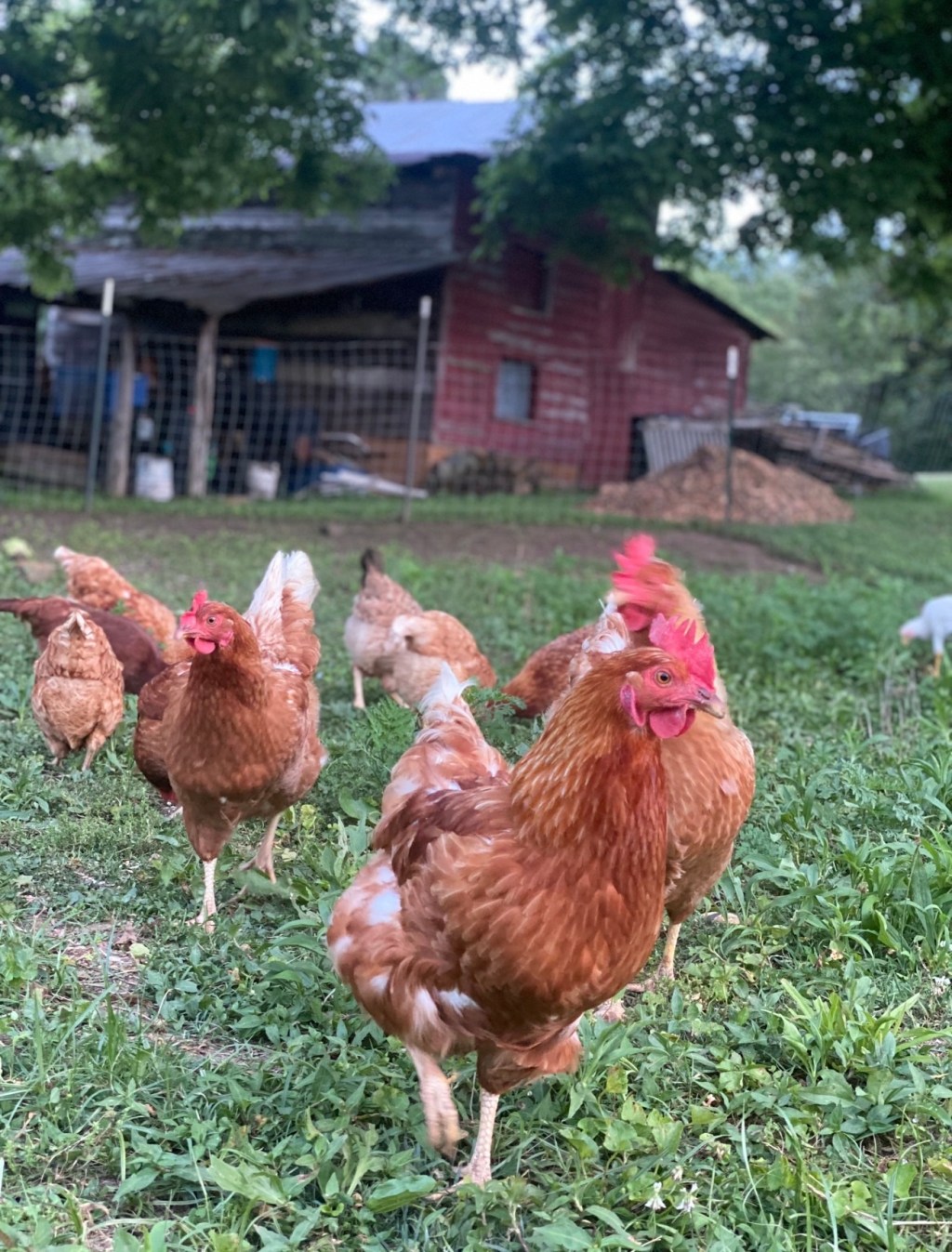
I am very much a novice when it comes to homesteading. While I still have A LOT to learn, there are some things I learned early on that could save you a lot of time, money and heart ache. Some of these things will, quite honestly, sound dumb and I would be a liar if I said I wasn’t embarrassed to admit some of them. However, when you are first starting out and are so excited, you tend to dive right in, throwing common sense to the wind….ask me how I know…
1. DO NOT go light on the research!
Don’t ever assume you have all the information! There is literally always something more that you can learn.
Bringing home an animal that you have never had before is something to never take lightly.
Here are some things that are important to know:
- What can the eat and what can’t they?
- Why type of fencing will contain them and keep them safe?
- How much space do they need?
- What are common illnesses they get and how to prevent/treat them?
- What breeds serve your homestead goals best?
- Etc.
Now, I know it’s not realist to know absolutely everything in the beginning and for that I have some suggestions that have helped me along the way:
- Have a mentor: making friends with the person you get the animal from I think is the best things to do because they know the animal already. Ask if you can call them with questions you may have. You can even just plug yourself into some Facebook groups where you can ask questions.
- Invest in resource books: start building your library so you can reference the material when needed. (I will link my Amazon store front where you can find some of my favorite homestead books)
Amazon Store Front: https://a.co/d/06CdO3Gc
It’s impossible to know everything but make sure you do your best to learn as much as you can before bringing a new animal home. This helps alleviate stress on you as well as the animal.
I also think that this is a good time to mention researching what owning an animal cost. For me personally, feeding my animals a high quality feed is very important to me but this is very expensive to do. So decide what kind of feed you are going to use and then look up how much feed your animal(s) will require. When doing this research, don’t forget the calculate in how much more they will require in the winter.
You also want to price their supplements and potential medications. For example: goats need minerals and baking soda on a regular basis. Some people also choose to deworm on a schedule.
Additionally, you need to take into consideration the little things like bedding, feeders, feed buckets and all the little things you will need to help care for your new farm animal(s).
These are living things that require money to sustain, make sure that you can afford to do so before you bring them home.
2. DO NO bring an animal home without a permanent place to put it.
This is one of those things I was talking about. It seems pretty silly to bring a living creator home without a proper home for it. I agree. Like I said, we are learning.
Now, you might be thinking to yourself “well I can go ahead and bring them home and keep them (insert temporary housing situation here) until I get their permanent home finished. And I hear you, but please humor me and keep reading.
I, unfortunately, have more than one example of this. We will start with the first time I ever brought home a farm animal….baby chicks (and ducks).
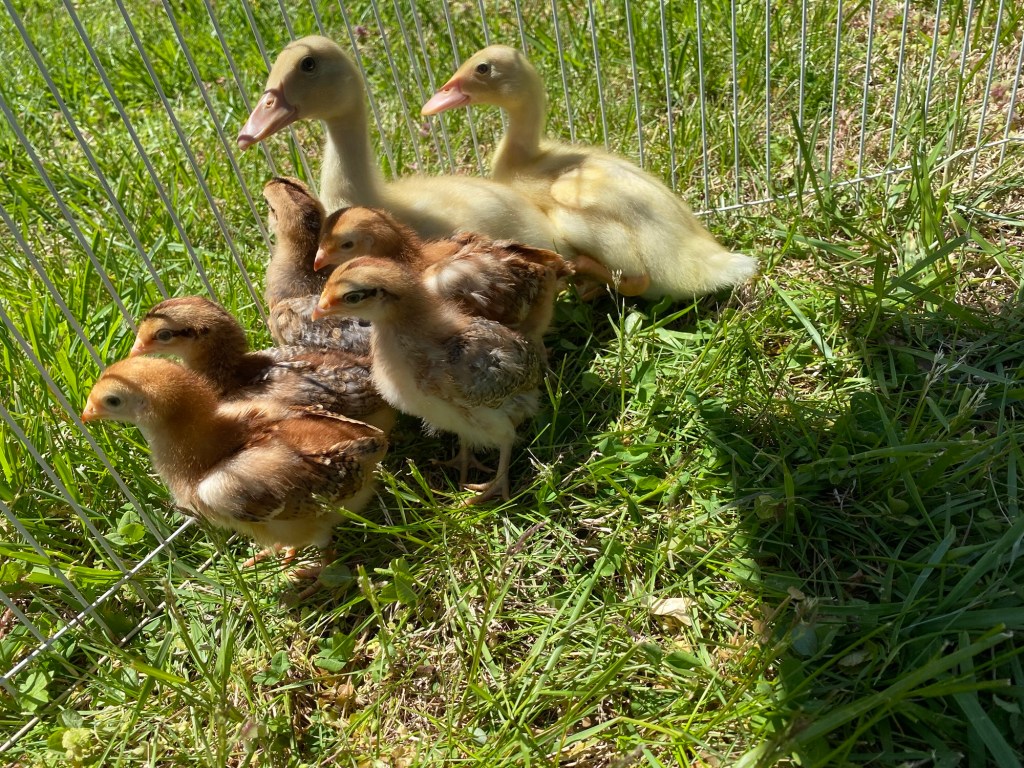
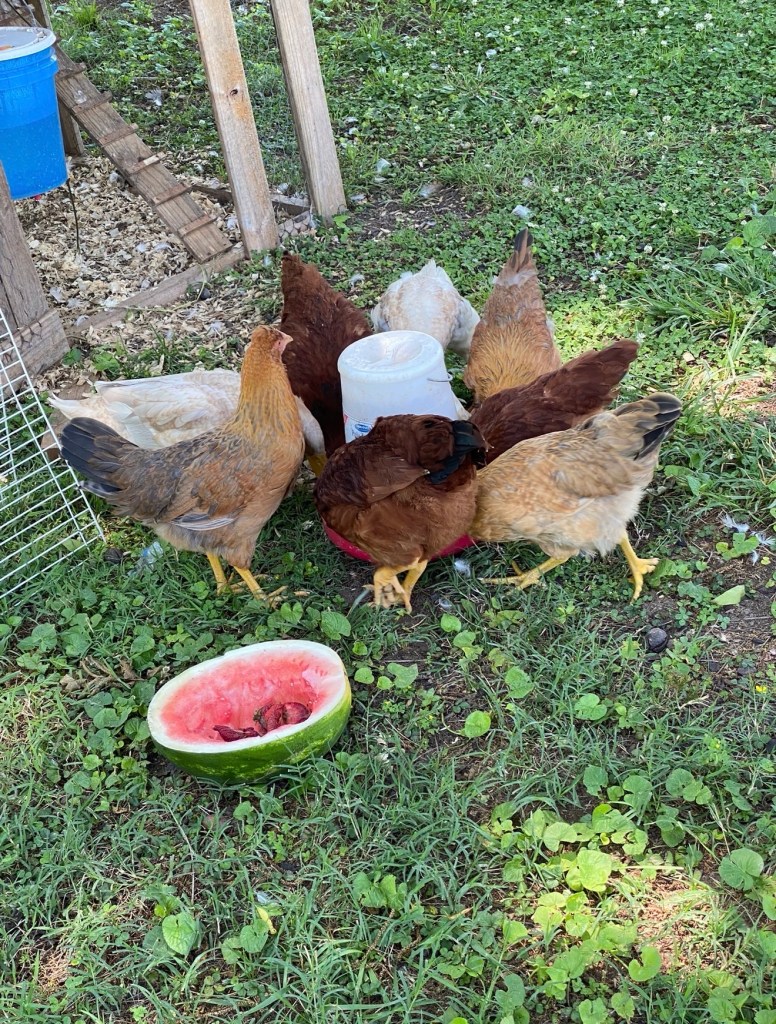
I was elated to bring them home! I was sure I had done all the research and bought all the things. Our brooder system was less than ideal but we were able to make it work the few weeks that we needed it. Finally the time came to move them outside…we had a little 4X4 chicken coop(old and left at our land by the previous residents) that was going to be their temporary home. The run was not large enough for the six of them so I let them out to free range during the day until we had time to fix up what is now their chicken shed and run. Needless to say there were several flaws in my plan starting with space. They out grew that coop MUCH faster than I had anticipated and had little room to roost at night. The other major issue was safety. We don’t have a fence around our property and the chicken wire around the little coop did little to ward off predators. Long story short we lost a few birds before we could get them into a proper home. My impatience cost me; the time I took to raise the chickens was a waste, the money I spent on them and raising them was for nothing, and the heartache of losing them a feeling like I just wasn’t cut out for this. It was a major blow and very disheartening.
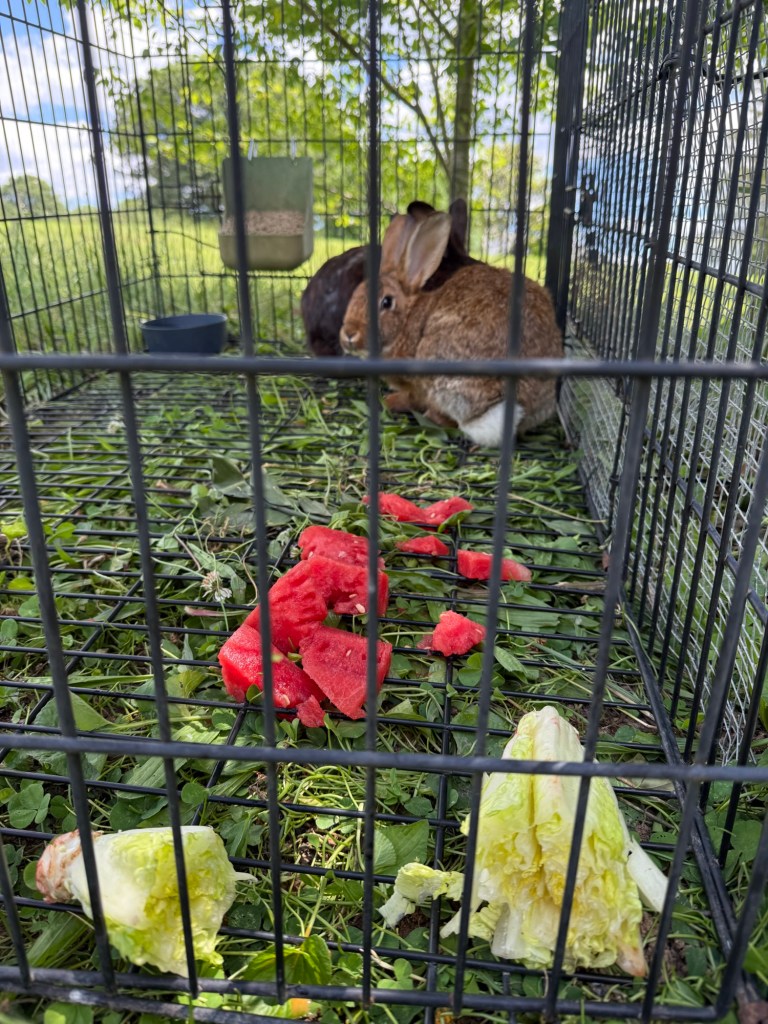
I made another mistake when I brought my rabbits home (if I’m being honest I made more that one mistake bringing rabbits home). I wanted a rabbit tractor so they could get fresh grass every day. But I had a friend getting rid of bunnies for free…so I decided to make it work. I brought them home and put them in a large wire dog crate and made a temporary roof for it. In theory that wasn’t a terrible idea…but it was really a pain in the butt to move around. It cost me a lot of time and sanity and I never even got around to making the rabbit tractor.
I, unfortunately, could keep going, but in an effort to not write a book I will move on to my next point. The moral of this story is to be patient and ensure you have the proper set up for your animals BEFORE you bring them home.
3. DO NOT think that you have to do it all.
This is arguably the most important point and will likely help you in the other two areas I mentioned. It’s funny because you always hear seasoned homesteaders say this…but when you start to realize all the things you CAN do, you start to loose sight of what you actually need to meet the goals of your homestead.
You need to start by evaluating your goals. Why do you want to homestead? How can you achieve those goals with the time and space that you have?
I got a wild hare about a year ago. I decided I wanted to “do it all”. I jumped into rabbits and quail for a meat source. I did very little research and my plan flopped. My rabbits did not breed, the quail did not lay…it was a mess. I decided I wanted to breed goats and sell them to offset farm costs…there is money to be made in breeding goats…but not when you only have two mamas that aren’t even registered. I had the hardest time selling those babies and ended up spending more money on feed.
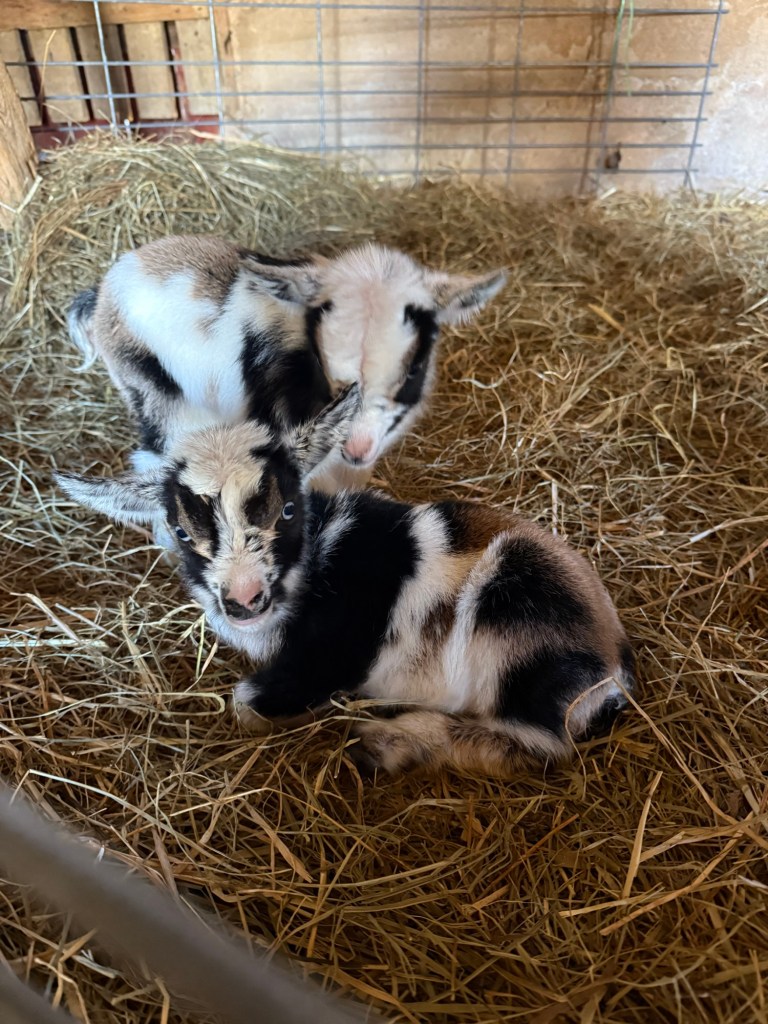
I down sized significantly over the past few months and the state of my mental health and wallet has significantly improved.
I reevaluated why I was doing this in the first place: to put food on the table that I knew where it came from and felt good about.
I now have chickens for eggs and one goat in milk. I’m and slowly learning how to garden and maybe in a few years I can raise meat birds or a beef cow. Until then, I feel good about what I am doing.
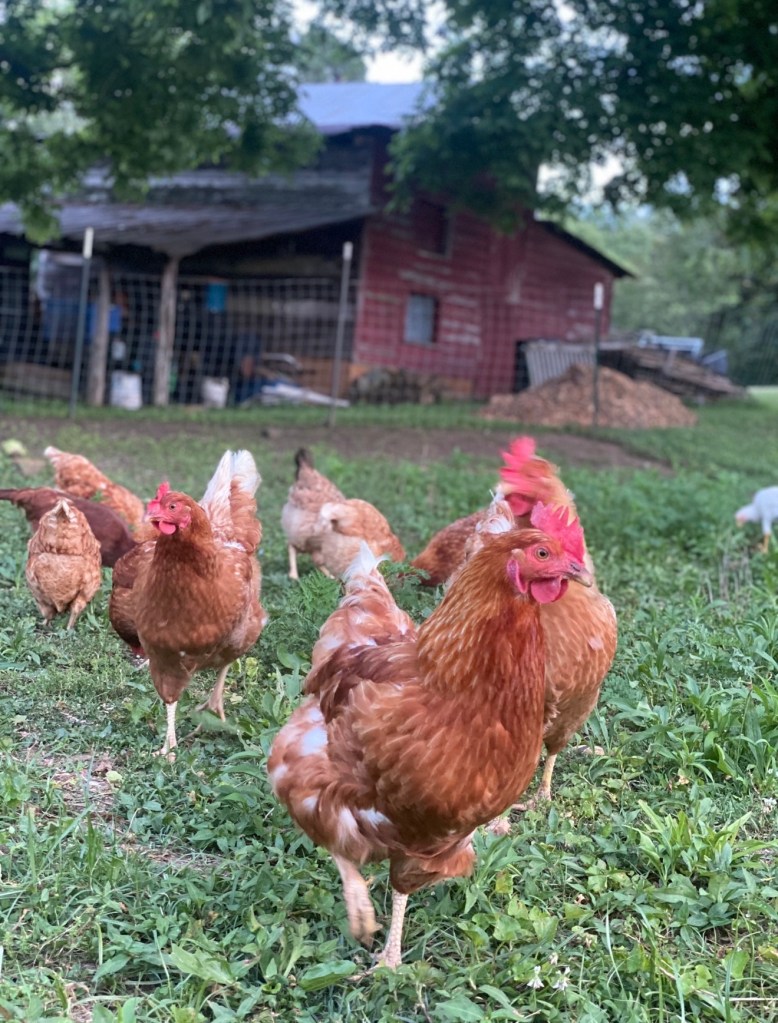
In the end you are going to make mistakes, it’s part of life, but hopefully this will help you minimize the blow. Do your research, be patient and really evaluate what is important to you.
Happy Homesteading!


Leave a Reply